1837 –1920
A builder and manufacturer of artificial stone; also a Methodist participant in rates revolt
Relatives
Research:
Unmarked grave David Osborn (1837-1920)
David was born in 1837 in Northchurch, the son of James Osborn, a carpenter and wheelwright and his wife Ann.
David became a carpenter like his father and in 1860 he married Mary Ann Hurst in Berkhamsted. In 1861 they were living in the High Street, Northchurch.
In April 1867, presumably as a member of a non-conformist church, David was amongst a group who refused to pay a church rate which had been voted on the previous year. The case came to court and the Herts Guardian reported on the protest in a hostile manner, referring to “This stupid and ridiculous opposition” which had resulted in the churchwarden being ejected from his positon as Treasurer of the Mechanics’ Institute in protest. In consequence of the refusal to pay 32 summonses were issued and a hearing was held before magistrates when “the following martyrs, dreadful to relate, were ordered to pay rate and costs.” David was amongst those who, the Guardian considered to have “covered themselves with the contempt their foolish malice deserves.”
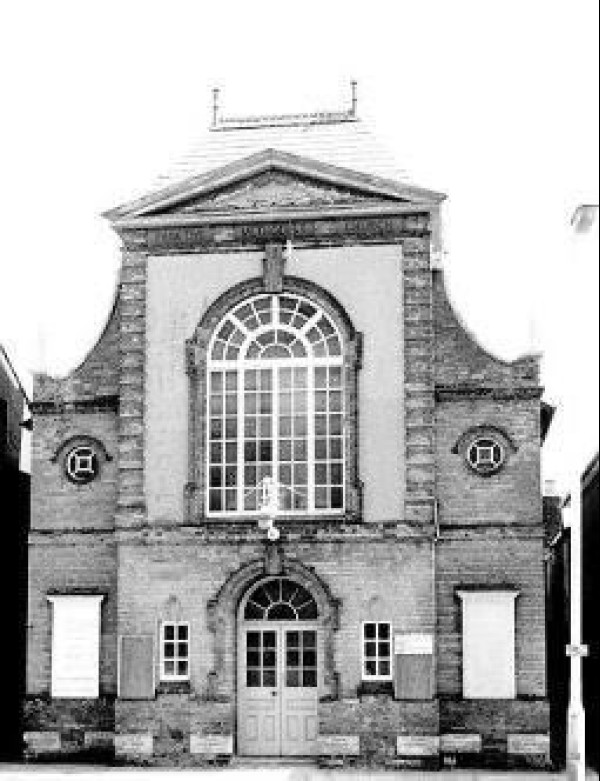
However, this did not stop the same paper reporting in November that year on the opening of the new Primitive Methodist chapel in the High Street (opposite the Union workhouse at 241a). “The chapel is a very tasty [sic] erection, creditable alike to the designer and builder, Mr David Osborn of Berkhamsted, and the good people who set him to work – and there is no doubt about its necessity. The cost is about £500 [£47,350 in 2024], a sum very far from exorbitant, and £350 has been raised towards the cost. Some 250 sat down to an excellent tea, which was very orderly [sic] managed.”
David was clearly successful as the 1871 census records him as, “Builder (Master, employing 9 men and 3 boys)” and they could afford a live-in domestic servant. Gilbert Adolphus, their only child, was born 27 August 1876.
By 1881 when they had moved to Park Street, David was employing 15 men. In September 1883 the refurbished Baptist church was re-opened. David had been the contractor for the “thorough renovations” which had cost £100 (£10,275 in 2024).
In October 1885 The Herts Mercury reported on the Gospel Temperance Union where David conducted the choir of the Berkhamsted and Northchurch branch of the union. It appears that David was a member of the Baptist church as a report in 1886 in the Herts Mercury of the performance of a Good Friday cantata at the church named him conductor of the church choir.
In May 1886 the town held an “Industrial and Art Exhibition” where David was awarded a medal for the manufacture of “artificial stone”. “Mr David Osborn of Park Street, builder, shows a large variety of composite stone articles, in the production of which he shows remarkable ingenuity. They are now used in buildings as paving slabs, copings, troughs, sills, walls, piers etc., being cheap and durable, also ornamental as required.” (Herts Mercury May 15 1886). This was presumably his version of the famous Coade stone, the “recipe” for which has only recently been rediscovered.
In 1890 David was at the Tring Agricultural Show exhibiting “specimens of composite stone manufacture, patent improved self-locking fanlight openers and fasteners.”
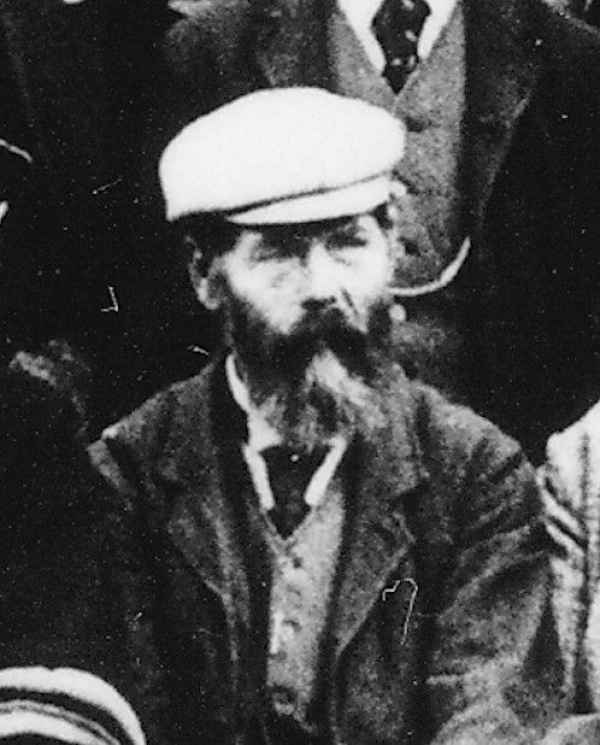
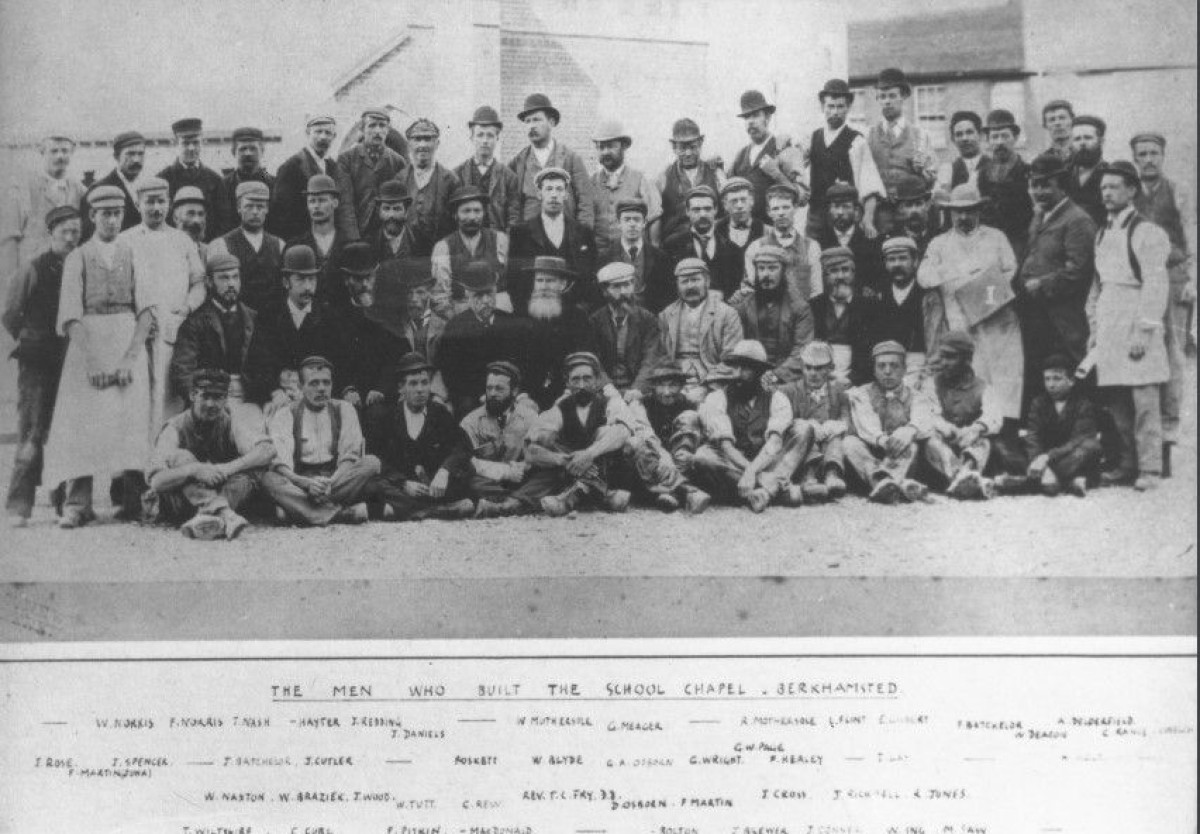
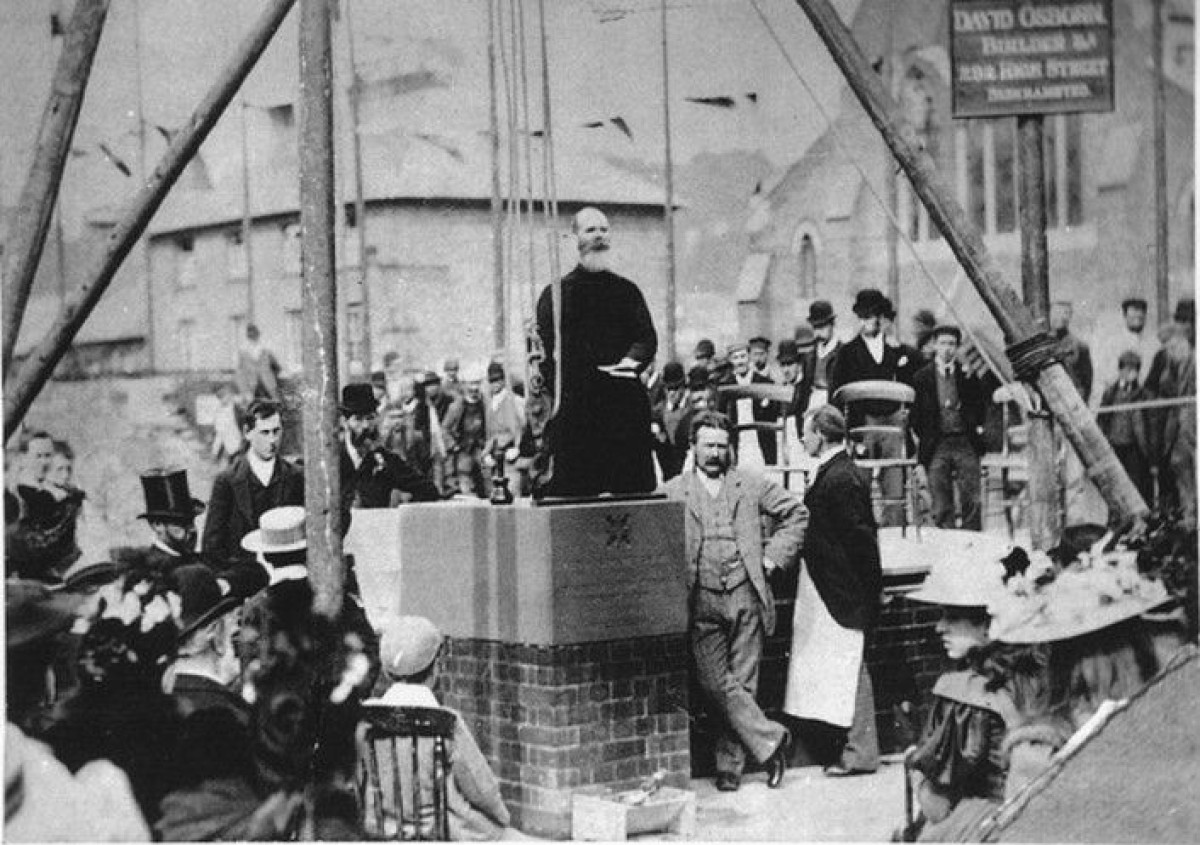
In 1894 David was the builder appointed by Berkhamsted School’s governors to build the school chapel, the building being dedicated in June 1895.
David was a councillor of the Berkhamsted Urban District Council and its chairman between 1898 and 1900.
By 1901 the family was living at 1, Park Street and Gilbert was working as a builder with his father.
In 1911 David and Mary Ann were living at 292, High Street. Gilbert had left home, but Mary Ann’s sister Elizabeth was living with them.
The couple had moved back to 1, Park Street by the time David died in November 1920 aged 83.
His brother Charles is also buried in this cemetery.


 View burial


 Personalities of the Past
 Memorial Symbolism

 Military graves